Injury Rehab
The bridge between finishing treatment and training properly again: coordinated with whoever treated you, and built so the same thing does not happen twice.

Overview
What does returning to training after an injury involve?
There is a well-known gap between being discharged by a physiotherapist and being genuinely fit to train. Treatment ends when the pain does, which is usually well before capacity has come back, and the return that follows is often improvised. That is where the second injury comes from.
This page is about closing that gap. Reloading the tissue gradually, rebuilding the strength and range that were lost, addressing whatever made the area vulnerable in the first place, and getting back to full training on a timeline the tissue agrees with rather than the one you would prefer.
The boundary matters and it is firm. W1 Performance is a coaching practice, not a clinical one, and Leigh is not a physiotherapist. If you are in pain or undiagnosed, the first step is a clinician. Where you are under treatment, the coaching works alongside your physiotherapist or consultant and follows their guidance, never around it. What Leigh owns is the training that comes after, through a Vitality Profile and a coaching programme.
The benefits of a coached return to training
A return that holds
Reloading at a rate the tissue tolerates takes longer at the start and is far quicker overall, because it does not end in a second layoff. Most failed returns are a pacing problem rather than a treatment one.
The underlying cause addressed
Rebuilding the strength, range and control around the area attends to why it was vulnerable, not only to the fact that it hurt. That is what changes the odds of it recurring.
Coordination with your clinician
Where you are under treatment, the training follows your physiotherapist or consultant rather than running in parallel with them. One coordinated plan, rather than two that occasionally contradict each other.
Confidence under load again
Much of what holds people back after an injury is not tissue, it is trust. Demonstrating tolerance in small, controlled steps with someone watching is how that is rebuilt.
What gets in the way
Why returns to training go wrong
- Returning to previous loads because the pain has gone, while capacity has not yet returned
- Strength and range lost during the layoff never formally rebuilt
- The reason the area was vulnerable never addressed, so the same pattern repeats
- Progression driven by a calendar or an event rather than by what the tissue tolerates
- One-sided rehabilitation, leaving an imbalance that shows up under real load
- No coordination between the clinician who treated it and whoever writes the training
How it works
How Leigh coaches a return to training
Vitality Profile
A careful read of current capacity, range and what the layoff actually cost, so reloading starts from evidence rather than from where you were before.
See treatment detail →Build
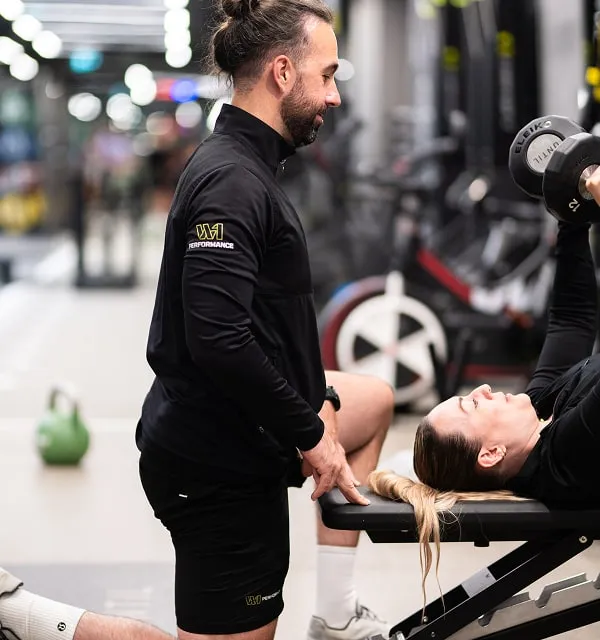
Coached sessions where technique is watched closely and load is added only as tolerance is demonstrated, which is what a return needs.
See treatment detail →W1 Black
For complex cases: a hand-picked team, including physiotherapy, working to one plan with one point of contact.
See treatment detail →FAQ
Frequently asked
questions
Is this physiotherapy or rehabilitation?
No. W1 Performance is a coaching practice and Leigh is not a physiotherapist. Diagnosis and treatment belong to a clinician. This is the coached return to full training that follows, and where you are still under treatment it runs alongside your physiotherapist and follows their guidance.
I am still in pain. Can I start?
See a clinician first. Undiagnosed or unresolved pain needs assessment by someone qualified to diagnose it, and starting a training programme on top of it risks making the problem worse. Once you have that assessment, the coaching is built around what they advise.
How long does a return to training take?
It depends entirely on the injury, the layoff and what your clinician advises, so no general timeline is offered here. What is consistent is that progression follows demonstrated tolerance rather than a target date, which is usually faster overall than pushing and repeating the injury.
Get Started
Ready to begin?
Start with your Vitality Profile.
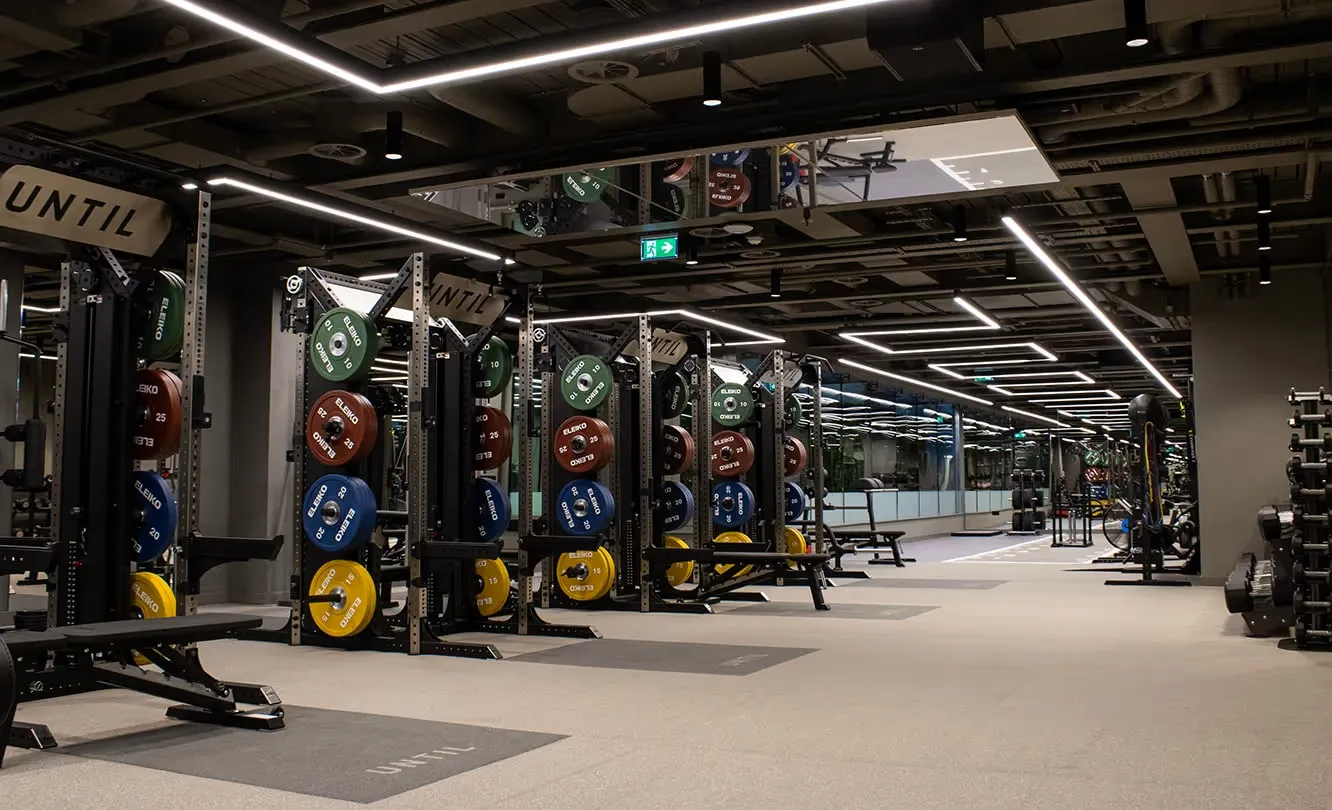
W1 Performance • UNTIL, 1 Orchard Street, London W1H 6HJ
Book your Vitality ProfileAppointments typically available within 1 week